The Hidden Damage Pine Needles Can Cause to Gutters
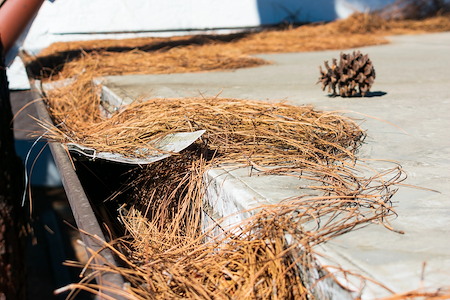
Pine needles in gutters seem small, but they create dense mats that block water fast. Around Columbia, those narrow, waxy needles weave together, trap roof grit, and hold moisture against your home. Professional gutter cleaning breaks up that packed layer before it turns into leaks and staining behind the eaves. Pine needle clogs build up faster than most homeowners expect in Columbia, SC.
Why Pine Needles Overwhelm Gutters In Columbia
The Midlands is pine country. Loblolly and longleaf varieties shed year-round, with heavier drops in late fall and after summer storms. Unlike broad leaves that bridge across a gutter opening, pine needles sift down into corners and seams. They tangle around hangers and outlets, then grab more needles and seed pods with every breeze.
As this layer thickens, rain can’t drain to the downspouts. Water pools, mixes with sandy roof granules, and forms a heavy sludge that stresses gutter fasteners. That weight pulls gutters slightly out of pitch, which slows the flow even more—a small problem that becomes a cycle.
The Chain Reaction: From Clog To Costly Repairs
When pine needles dam up the flow, water looks for an escape path. It often goes backward over the drip edge or forward over the rim. Either way, it’s bad news for wood and foundations.
- Backflow behind the gutter soaks the fascia and soffit, inviting rot and peeling paint.
- Rim overflow streaks siding and masonry, leaving dark tiger stripes and algae growth.
- Water dumping near the slab creates muddy beds, settles pavers, and can seep into crawlspaces.
Left alone, the constant moisture starts to corrode fasteners and seams on metal gutters. Joint leaks then stain the brick below and drip at odd spots, so you may not tie the mess to the real cause up above. Overflowing gutters can stain siding and trigger fascia rot. In neighborhoods with tall pines—Shandon, Forest Acres, Irmo, Lexington, and around Lake Murray—these issues show up after a few storm cycles.
Warning Signs Around Your Home
You don’t need to climb a ladder to spot trouble. Walk the perimeter after a steady rain and look for these red flags:
- Water spilling over the gutter edges during moderate rain.
- Dirty streaks or algae trails beneath the gutter line.
- Mulch displacement or soil washouts below roof valleys.
- Sagging gutter runs or joints that drip long after the rain stops.
- Little “bird’s nest” clusters of pine needles packed at downspout outlets.
Any one of these clues points to a hidden clog that’s storing water where it doesn’t belong. Addressing it before the next storm keeps small fixes from turning into fascia repair or interior leaks.
Pine Needles vs. Traditional Leaves: Why It Matters
Think of a handful of needles like a box of wet toothpicks. They wedge into seams and form a tight filter. Leaves often bridge, then dry and blow away; pine needles settle and stay. They also wick water, which keeps the debris layer damp for days after rain. That constant moisture invites mildew, rust on metal components, and warped wood near the roof edge.
Needles also slip through many basic covers or screens that were designed with broad leaves in mind. Once below a guard, they’re difficult to flush without specialized tools, which is why routine service tailored to pine-heavy properties is so important.
Seasonal Risks Around Lake Murray And Greater Columbia
Columbia’s weather patterns add to the problem. Spring pollen coats everything, and that sticky film glues needles together into a felt-like mat. Pop-up summer storms then dump heavy rain that pushes that mat toward outlets, where it compacts even more. In late summer and early fall, tropical systems can send inches of rain across the Midlands in a day, stressing any gutter that’s already half-blocked. By late fall, fresh needle drop can finish the clog and set you up for winter leaks.
Live near Lake Murray, Blythewood, or West Columbia? Tall pines shed in bursts after gusty fronts. Booking cleanings just before peak fall drop and again before late-summer storm season helps prevent mid-storm overflow and protects landscaping.
How Professional Cleaning Protects Your Gutters
A trained technician tackles pine needle clogs in a specific order to keep debris out of your yard and prevent streaks on exterior surfaces. The goal isn’t only to empty the trough; it’s to restore proper pitch and flow so the system drains under real rainfall. That includes clearing outlets, verifying downspouts, and confirming the first few feet of underground drains aren’t backed up with needle mats.
Technicians also check for minor issues caused by needle buildup: loose spikes, failing hidden hangers, stressed seams, and early staining at the soffit line. Fixing these small problems early helps you avoid larger exterior repairs later. If your home sits under mature pines in areas like Chapin, Ballentine, or Northeast Columbia, a maintenance plan keeps you ahead of the next wind event.
Local Water And Landscaping Concerns
When gutters overflow near planting beds, soil compacts, and roots can suffocate. Needle-laden water carries tannins and fine grit that stain concrete and settle in joints. Over time, those joints hold moisture, growing algae that makes walkways slick. Clogs also attract pests, since standing water becomes a breeding spot for insects and a cozy bed for nesting materials. Keeping gutters clear protects your siding, hardscape, and the places your family and pets walk every day.
The Role Of Pitch, Seams, And Hangers
Even a slight pitch error can turn pine needles from a nuisance into a chronic problem. If water slows too much, needles drop out of the flow and collect at mid-run. Seams and end caps become the first failure points, and hanger locations can turn into snag points if they’re out of alignment. Professional crews spot these details at a glance and recommend simple corrections that help your system shed needles instead of storing them.
Why Choose Lake Murray Soft Wash?
We know the Midlands’ tree mix, rain patterns, and common gutter layouts. From older homes in Shandon to newer builds in Lexington and Irmo, we’ve seen how pine needles behave on every roofline. Our team is local, trained, and focused on protecting your exterior from top to bottom. If you’re comparing providers, remember that with pressure washing in Columbia, knowledge matters because it’s tied to runoff control, safe rinsing, and how debris moves across siding and stone.
A Maintenance Schedule That Works For Pine Country
Homes under mature pines usually benefit from two cleanings per year, timed to catch early spring buildup and late fall needle drop. Heavier canopies, corner lots that catch crosswinds, or properties exposed to frequent storms often need an extra visit to stay ahead of compaction near outlets. The right rhythm depends on tree density, roof valleys, and how wind funnels across your street. What matters most is consistency—keeping needles from ever forming that first stubborn layer.
In between services, keep an eye on runoff patterns after rain and note any new streaks or ground washouts. If you notice changes, it may mean the pitch has shifted, or a hidden section is beginning to clog. Addressing it sooner protects fascia, soffits, and landscaping.
Ready To Stop Pine Needle Damage?
If your gutters are near pines or you’ve noticed overflow during a normal shower, it’s time to act. Book a visit so a pro can clear the mats, reset the flow, and confirm downspouts are moving water away from your foundation. You can start by scheduling gutter cleaning so your system’s ready before the next front moves through Columbia.
Protect your home from hidden leaks, stains, and wood rot by scheduling service today with Lake Murray Soft Wash. Call us at 803-528-1996 and get your gutters ready for the next storm.
Count On Us To Revitalize Your Outdoor Spaces And Leave Them Looking Fresh And Renewed. Contact Our Pressure Washing Company In Columbia, SC Today!